
On the World Day for Safety and Health at Work, the debate often focuses on hard hats, emergency procedures, and obvious physical risks. At Miriade, we believe "safety" has a much broader scope: it is about a company's ability to protect people's overall well-being, making the workplace safe also for those living with little-known or seemingly invisible conditions.
That is why we opened our all-hands meeting to the Fondazione Terapia Cellulare Diabete (FTCD), a diabetes cell therapy foundation in Padua that we support and had not yet had the chance to introduce to our team and stakeholders.
Educating to protect: type 1 diabetes in the office
Type 1 diabetes is one of the oldest known diseases, yet it still carries strong stigma and is often poorly understood. It is not a rare condition: in Italy it affects about 300,000 people, and its incidence is rising every year. At Miriade, this condition is not an abstract concept: it is part of everyday life.
We may have been among the first companies to organize an educational session specifically on this topic, turning our all-hands meeting into a moment of ethical and, at times, even health education. It was not just about "talking about a disease," but about giving the whole organization the tools to understand what it means to live with and manage diabetes, especially during working hours.
Technology that alerts, a team that listens
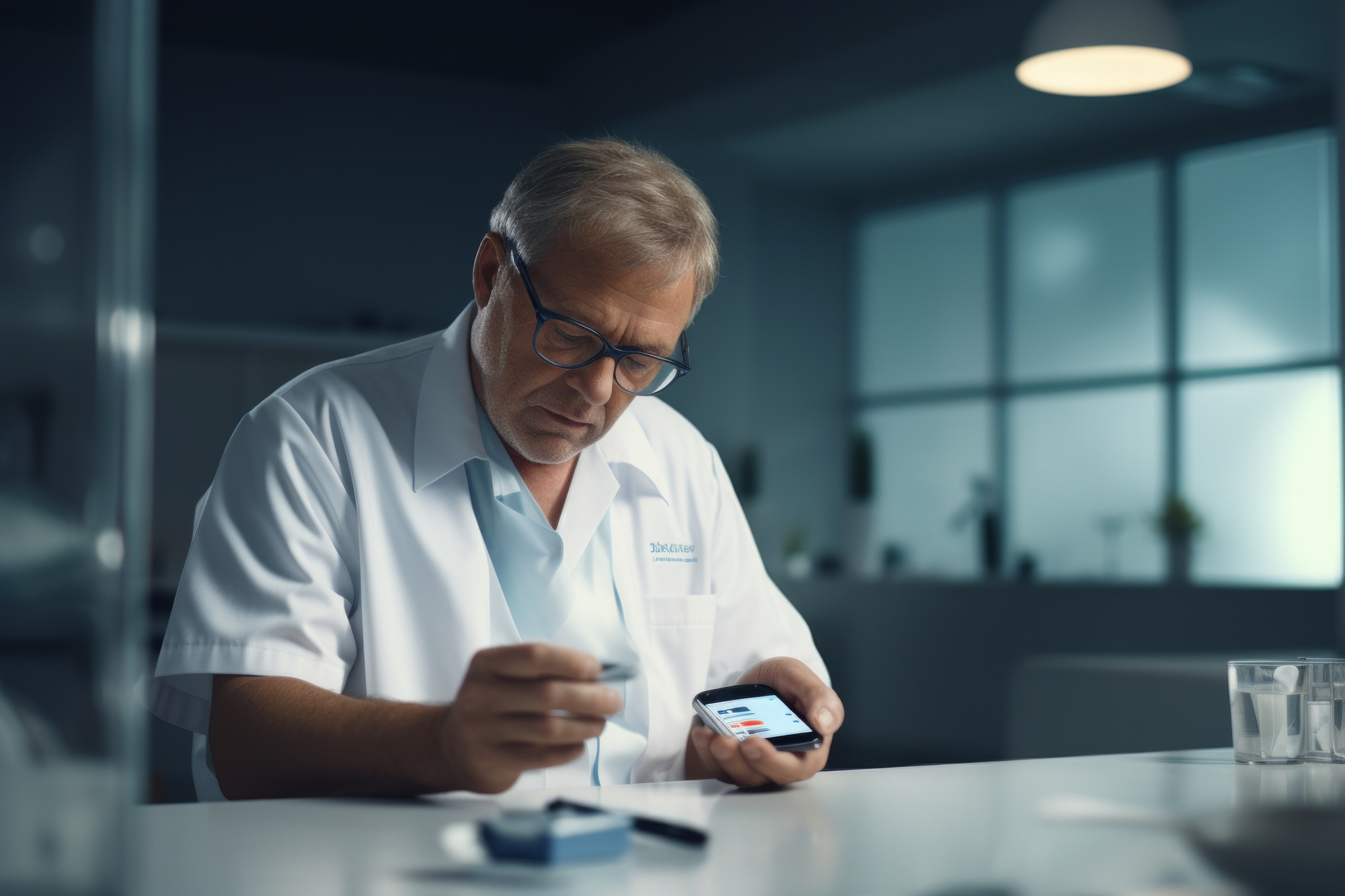
Today, diabetes management relies on innovation. In the office we often hear sudden sounds: a notification, an insistent alarm. We might assume it is just another chat message, but for someone living with type 1 diabetes, that sound is more often than not a glucose alert sent by a sensor under the skin. It is a vital technological link. Learning not to ignore that signal, or simply understanding that in that moment a person needs absolute priority to manage their health, is the first step in fighting indifference.
The training showed us a complex reality: there is no such thing as "the" diabetes, only people managing their metabolic balance every second of the day. During the all-hands meeting, some fundamental questions emerged:
- Are we sure we know what to do? The truth is that, in an emergency, ignorance is the greatest risk a company can run. It is essential to recognize the signs of hypoglycemia (pallor, trembling, confusion, sweating) or hyperglycemia (intense thirst, frequent urination, persistent fatigue, irritability).
- Can we recognize people's needs? When a colleague stops to check their glucose or take a dose, do we see it as an interruption or as a vital act of self-management? Behind that pause there may be an invisible mental load: sleepless nights spent managing glucose levels and/or the stress of a sudden emergency.
- Do we accept unpredictability? Type 1 diabetes is a highly individual condition. Can we step outside rigid patterns and accommodate this variability without judgment?
Only by breaking down the wall of superficiality can we turn the office into a place where vulnerability does not have to be explained every time, because collective awareness already understands it.
Our "invisible safety kit"
Our collaboration with the Foundation led to a practical approach that we have built into our company culture. Our commitment translates into concrete actions:
- recognizing the signs of a crisis: training so that anyone in difficulty can be supported;
- emergency supplies: fast-acting sugars in the break areas, available to anyone who needs them right away;
- a culture of respect: protecting the time needed for care and the necessary breaks, including for managing medical devices;
- support for research: an active contribution to scientific projects in our region.
The mission of the Fondazione Terapia Cellulare Diabete
The Fondazione Terapia Cellulare Diabete (FTCD) in Padua does not just manage the present: it is designing the future. While traditional therapies focus on treating symptoms (such as daily insulin injections), the Foundation's research aims for a definitive cure.
At the heart of its scientific work is the transplantation of pancreatic islets: the goal is to replace the damaged cells of the pancreas with healthy cells able to "reprogram" the body. This would allow the body to regulate glucose levels on its own again, finally freeing people from chronic dependence on drugs and medical devices, and from all the consequences that come with it.
Beyond the lab, the Foundation is active in community education. There is still a lot of confusion between type 1 diabetes (an autoimmune disease that often begins in childhood or youth) and type 2 (linked to age or lifestyle). Breaking down this stigma is essential: only through knowledge can people living with this condition feel at ease in the places where they live and work.
"Supporting research means giving a concrete answer to people who are waiting not just for a better therapy, but for a life free from the disease. The real cure comes through scientific innovation, but it always begins with the awareness of a community that knows how to welcome and protect." — Fondazione Terapia Cellulare Diabete
Safety is awareness: investing in tomorrow
For us, supporting the Fondazione Terapia Cellulare Diabete means giving concrete form to the innovation we drive every day, turning it into a tool that gives people back time and health.
"The well-being of the whole organization depends on knowledge. Knowing how to act when needed, respecting people's time, or simply communicating inclusively turns the office into a resilient community."
Promoting this training was an act of responsibility: workplace safety starts with listening and with an empathetic attitude that can turn diversity into a shared value. Because a company is only strong when it knows how to take care of its most valuable capital: its people.
__
Cover Image - Designed by Magnific
Articoli simili


Vuoi rimanere aggiornato?
Iscriviti alla newsletter e scegli il tipo di contenuto sul quale vuoi rimanere aggiornato!
Ti invieremo solo argomenti di tuo interesse.